The history of the Philippines during the nineteenth century is defined by a series of transformative events that shifted the archipelago from a collection of fragmented colonial provinces into a unified nation with a burgeoning sense of identity. At the center of this transformation lies the 1872 Cavite Mutiny, a military uprising that, while ostensibly brief and localized, served as the catalyst for the eventual Philippine Revolution of 1896.

Significant Events in January in Filipino History
On January 20, 1920, Fabian Crisologo Ver was born Fabian Maria Trinidad Juan Cirilo Crisologo Ver to Juan Ver and Elena Crisologo. He was a military officer who served as the Chief of Staff of the Armed Forces of the Philippines (AFP) under President Ferdinand Marcos.
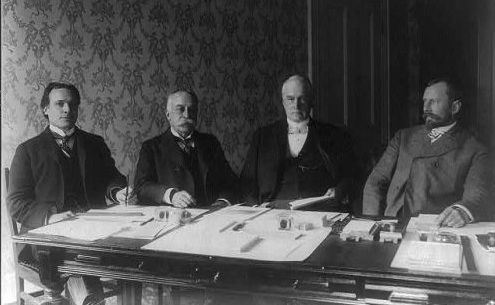
On January 20, 1899, United States President William McKinley created the first Philippine Commission, known as the Schurman Commission.
This commission recommended establishment of a civil government, bicameral legislature and a public school system in the Philippines. Its report also became the basis for the second Philippine Commission's creation on July 4, 1901.
Act No. 74, enacted on January 21, 1901, was a significant legislative measure that laid the foundation for the public education system in the Philippine Islands. This act was established by the United States Philippine Commission and played a crucial role in shaping the educational landscape of the Philippines during the American colonial period.
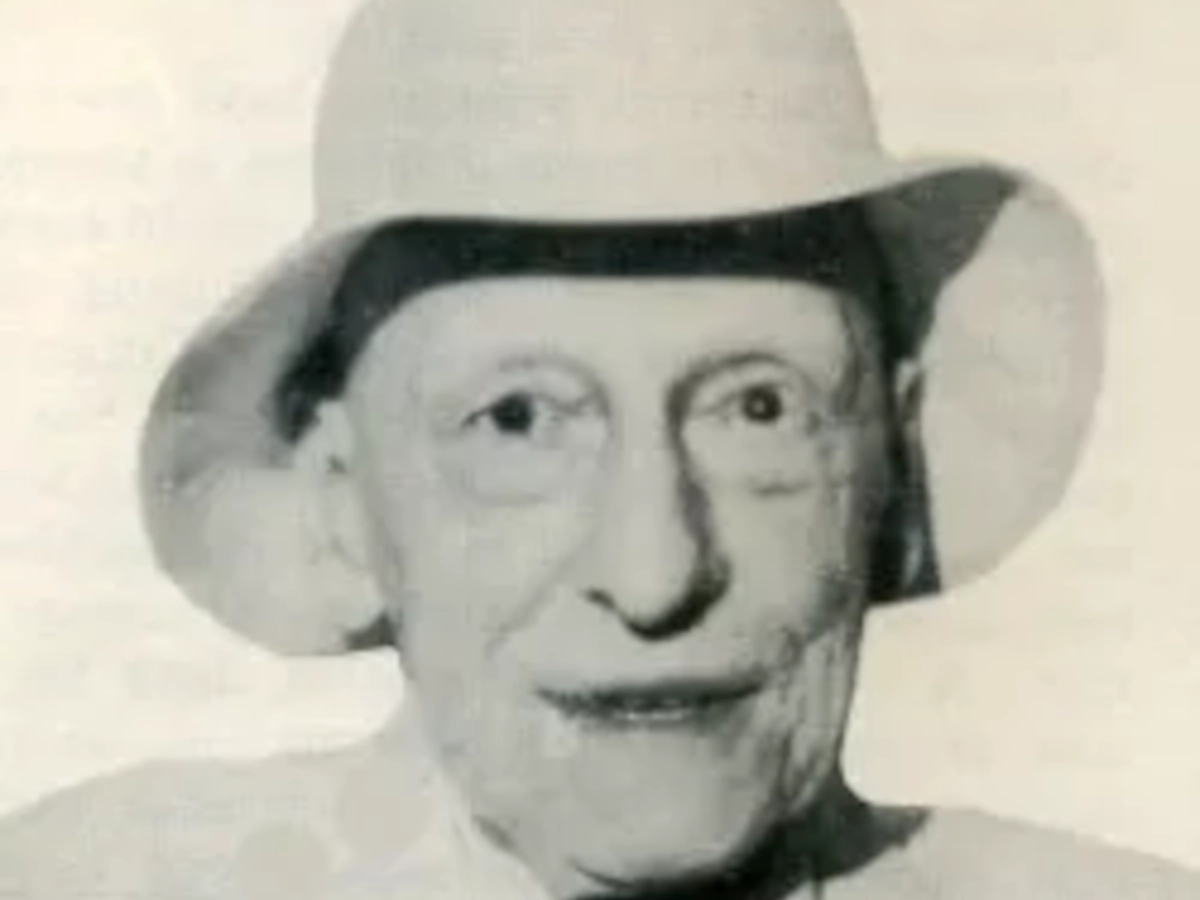
On January 22, 1873, Robert McCulloch Dick, editor and publisher of the weekly magazine Philippines Free Press, who coined the name "Juan de la Cruz" in generic reference to Filipinos, was born in Edinburgh, Scotland. His parents were the former Lily Smith and John Dick, a businessman.
He attended a public school from the age of four and, at the age of 12, entered a private academy where he finished a three-year course in two, while also taking a two-year course in German at night school. Childhood memories are of bitter poverty after his father's untimely death, which left the mother, known, he proudly recalls, as "the honest widow Dick", as the family's sole support. Faced in his early teens with earning his own living, he apprenticed to a mapmaking concern in Edinburgh.