The Battle of Alapan, fought on May 28, 1898, stands as one of the most defining turning points in Philippine military and political history. More than just a fierce clash of arms between Filipino revolutionaries and Spanish colonial forces, it marked the structural rebirth of the Philippine Revolution after months of stagnation following a fractured truce.

Significant Events in May in Filipino History
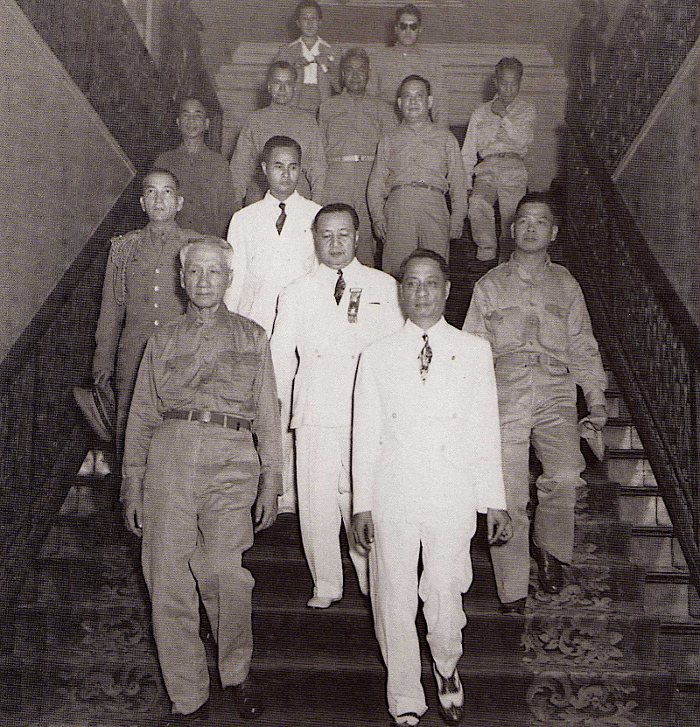
On May 28, 1946, Manuel Roxas was inducted into office as third (and last) President of the Commonwealth having been elected on April 23, 1946. Roxas took his oath of office in a temporary structure built near the ruins of the Legislative Building. Outgoing President Osmeña, following the American tradition, conducted him there but left before the ceremonies, retiring to his private residence in the Santa Mesa District.
Roxas was sworn in at 9:10, received a 19-gun salute, and delivered an address in which he contrasted the prosperity and happiness of the country before the war with the present tragic situation.
On May 29, 1963, Doña María Agoncillo-Aguinaldo, the second wife of General Emilio Aguinaldo (the first President of the Philippines), passed away at the Veterans Memorial Hospital in Quezon City. She was 84 years old. Her death marked the quiet closing of an extraordinary historical chapter, pre-deceasing her legendary husband by less than a year. General Aguinaldo himself would pass away from coronary thrombosis on February 6, 1964.
Fernando Maria Guerrero y Ramirez was a prominent Spanish Filipino poet, journalist, lawyer, politician, and polyglot who played a significant role during the Philippines' golden period of Spanish literature. His life and career were marked by his dedication to literature, journalism, and public service.
On May 31, 1978, Sara Zimmerman Duterte-Carpio, affectionately known as "Inday Sara", was born in Davao City, a place that would significantly shape her political career. A prominent Filipino lawyer, she is the daughter of the 16th President of the Philippines, Rodrigo Duterte.
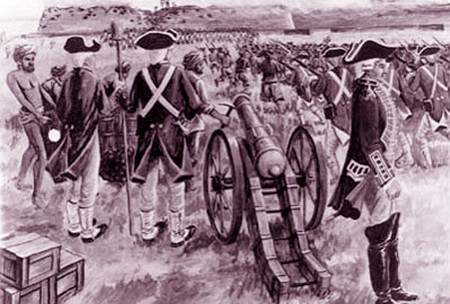
On May 31, 1764, the Spanish troops led by Simon de Anda y Salazar re-entered Manila, took back possession of the city in line with the terms of the peace treaty at Paris, ending the British occupation of Manila. The peace treaty that ended the Seven Years' War, and the consequential return of the Philippines to Spain, was signed on February 10, 1763 by Britain, France, and Spain after having agreed on a preliminary treaty signed earlier by the same on November 3, 1762.
On May 31, 1996, the Philippines and Malaysia signed a memorandum of agreement (MOA) declaring the Turtle Islands as Turtle Islands Heritage Protected Area (TIHPA).