
Significant Events in March in Filipino History
Mariano Ponce y Collantes was a physician, writer, diplomat, and statesman who became one of the most industrious minds of the Propaganda Movement and an important bridge between the reformist and revolutionary generations. Born in Baliuag, Bulacan in March 23, 1863, he helped organize and sustain La Solidaridad, served in the Hong Kong Junta and the First Philippine Republic, and later became a legislator and leading nationalist public intellectual in the American colonial period.
The Tydings-McDuffie Act, officially known as the Philippine Independence Act, was a landmark piece of legislation passed by the United States Congress in 1934. This act laid the groundwork for the Philippines, then an American territory, to transition towards full independence after a ten-year period.
On March 24, 1906, Samar Governor George Curry received the surrender of the remaining Pulajanes in Magtaon, Island of Samar (present day Magtaon, Mapanas, Northern Samar). Around 100 Pulajanes presented themselves with some 14 guns.
On March 25, 1986, just one month after the historic People Power Revolution ousted Ferdinand Marcos, President Corazon Cory" Aquino took a bold step to redefine the Philippines' political landscape. She issued Proclamation No. 3, a landmark decree that suspended the 1973 Constitution and established a provisional revolutionary government. This move, rooted in the extraordinary mandate of the February uprising, aimed to dismantle the remnants of Marcos' authoritarian regime and pave the way for democratic restoration.
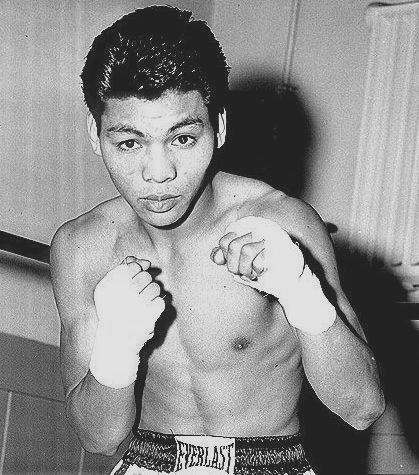

On March 25, 1935, Gabriel "Flash" Elorde, one of the Philippines' most celebrated boxing icons, was born into a humble family in the coastal town of Bogo, Cebu. The youngest of 15 children, Elorde's early life was marked by poverty, but his determination and natural talent would eventually propel him to international fame, earning him a lasting legacy as a national sports hero.
On March 25, 1936, Philippine Commonwealth President Manuel L. Quezon issued Executive Order No. 23 which prescribed the technical description and specifications of the national flag.
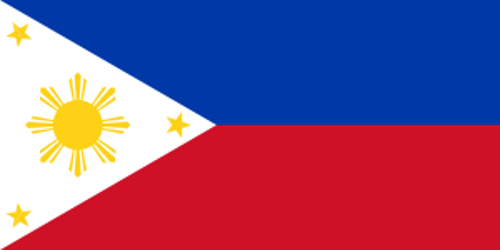
The then existing design of the national flag was prescribed by General Emilio Aguinaldo who, during his exile in Hong Kong, requested Marcela Agoncillo to sew it. She was assisted by her daughter Lorenza and Delfina Herbosa de Natividad in the task.
On March 25, 1565, the Sandugo or blood compact was made between Bohol chieftain Datu Sikatuna and Spanish explorer Miguel Lopez de Legazpi in Loay, Bohol.